What is Your Feed Feeding?

When I was drinking, it wasn't just the day of that was a problem. That was the fun part, sometimes. It was the next day that was brutal. You'd normally think I'm talking about hangovers, but that's not really it. I rarely ever got those. (That's a blessing and a curse. I could have used some negative reinforcement.) No, my real issue was how lethargic I was. I could go to class or work if I had to show up somewhere. But my enthusiasm and motivation were totally drained.
Dopamine is a chemical in the brain that's become a hot topic lately. It functions as a neurotransmitter that drives wanting or anticipation. The reason drugs are addictive is that they flood the zone, so to speak, and give you a huge dopamine hit for very little effort. Eventually you can rewire your brain to crave that easy hit constantly, and that's addiction.
That just became habit for me. It wasn't a chemical addiction in the traditional sense, where I went into withdrawals and shook and sweat. But it was chemical in the sense that my brain chemistry needed it; that dopamine hit needed to happen, even at the expense of depleting the next day's motivation and energy. This only got worse because I was diagnosed with clinical depression when I was 15, and was naturally low energy to begin with. So the dopamine rush from drinking was just that much more intense.
Now, if I didn't want to drink the next day, and I didn't have much to do, I'd usually just start playing video games. Games have been a hobby of mine literally since before I can remember. They trigger the dopamine hits, too. That's what they're engineered for. It's going to be less intense, of course. Barring winning an international tournament, or something, video games offer a mild rush that's short lived. The art of making one is to make a cycle that's addictive enough to keep your interest. That's either through artful craftsmanship or literal slot machines. Most things lie somewhere in between.
Since quitting drinking, video games are probably the dopamine activity I do too much of. It's not nearly as unhealthy, and there's lots of upsides. I get to spend time with my friends and family, they keep my reflexes sharp, and there's some games that have a great deal of artistic merit. But it's still fundamentally that same impulse: chasing that dopamine hit. It's the same behavioral process.
It's the searching for dopamine that gets us into trouble; the overwhelming feeling of wanting regardless of whether the thing we want is good or bad. Slot machines are a good example. The city of Las Vegas was practically built on that cycle of reward, entrancing someone to sit at a slot machine all night thoughtlessly investing more and more. Natasha Dow Schüll describes this as the "machine zone." She writes, "For extreme machine gamblers, the experience of play is an end in itself." Just staying in that altered state is the loop itself at some point. It works with slot machines, it works with alcohol, and it works with increasing numbers of things in our lives.
Social media platforms are described by researchers as "attentional scaffolds": things built to steer where your attention goes. For ad revenue, platforms need to keep our attention as long as possible. The feed works the same way as a slot machine. We scroll through posts, searching for that chance of a good one. Something funny, or insightful, or even that makes us angry. The desire to find that is the same desire that an addict has for drugs.
Games are meant to keep the user playing. Apps are made to keep the user scrolling. Alcohol makes the user keep drinking. We can use this for healthy things, too. Gamification isn't all bad. Habit tracking apps employ some of the same mechanisms to keep us engaged in healthy behavior. But the craving is still an element. Apps butt in with notifications in case we've forgotten to be in the loop. Reddit gives you achievements for logging in multiple days or weeks in a row (something I've always been more ashamed than happy to get). It's that thing everyone's talking about: FOMO. Fear of missing out. What if that really good post is just around the corner?
I meditate with the Plum Village app. It's free, and contains great meditations from Buddhist teachers. Modernizing anything comes with some tradeoffs. The app still has notifications and streaks, though the notifications are off by default and you can turn off the streaks. It's still going a little bit for that attention framework. You have to in the modern world; you're competing with Facebook.
Meditation itself is a reset from this. It's managing that dopamine surge and just being content being. I've found it very helpful; the longer I get from drinking the easier it is. It's the practice of not engaging.
Bhante Yuttadhammo's presentation of meditation teaches us noting. Just observing and noting what happens: the abdomen rising and the abdomen falling while breathing, pain, wanting, thinking. It's free, unbranded, with no app to open or streak to return to. In a world where pretty much everything is meant to produce that dopamine desiring response, just stopping is powerful.
We have two different approaches to a meditation framework here. The modern world requires modern solutions. Plum Village has the goal to "Develop the app and our 'team ethics' in line with the Five Mindfulness Trainings, particularly including healthy consumption and mindful technology use." I talked about the Fifth Precept in a previous post, but the Plum Village tradition reframes the precepts as mindfulness trainings. "I am determined not to gamble, or to use alcohol, drugs, or any other products which contain toxins, such as certain websites, electronic games, TV programs, films, magazines, books, and conversations." The word "certain" is doing real work. It is not a blanket prohibition on a medium. It is a per-instance question, and the question is what the thing feeds. What is scrolling your Twitter feeding? What's toxic in your consumption? Answering this is more helpful than saying that social media is bad or technology is bad. It's about learning to live with it in a harmonious way without getting trapped in the machine zone. Mindfulness is the antidote to getting trapped by dopamine loops.
I used to spend all of my social events thinking about getting more alcohol. That didn't go away immediately. There's a term in recovery called PAWS—post-acute withdrawal syndrome. The symptoms of a miswired system can last for months after someone stops using drugs. It's unfortunately not as simple as just stopping (which itself isn't that simple). The brain needs time to recalibrate. I had a hard time with this phase, and sometimes I still get some flashes of cravings, fatigue, mood swings, and more. The framing I find helpful is to treat this as a good sign. PAWS is the brain healing. This is what I tell myself.
As we go through the months of PAWS, we must learn to single task. Being grounded in our moments. The good ones and bad ones both have temptation; to enhance the good or drown the bad. Neither is real. The good is drowned and the bad is enhanced. It's not alcohol for everyone. Video games, social media, binge eating, it's never been easier to access quick sources of pleasure. Breaking that shortcut is important to avoid burning yourself out. Quick things that trigger that desiring impulse impede happiness. The long term things: health, family, friends, mental stillness, aren't quick. These things take time and effort. But in a world where the shortcuts are everywhere, it becomes more important than ever to feed what you want to grow. Thich Nhat Hanh talks about our potentials in terms of seeds. The seeds of impulsivity are there in us, but so are the seeds of tranquility. It's up to us to water them.
References
 Contributors to Wikimedia projects

Natasha Dow Schüll's Book on Slot Machines. Source for "the machine zone."
 Cristina Voinea
The source for "attentional scaffolds" and social media and slot machines operating as "negative attention scaffolds."
Bhante Yuttadhammo's How to Meditate: A Beginner's Guide to Peace

 Dismiss
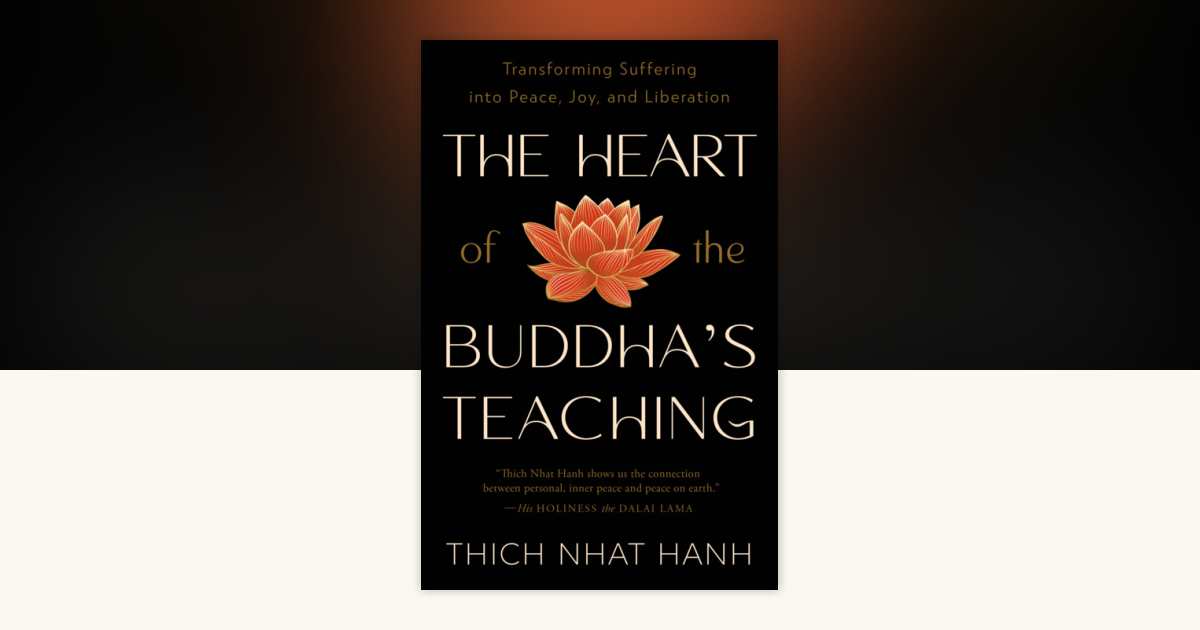
The source of the seed metaphor, as well as a great resource in general.


The source for PAWS being the brain healing. SMART Recovery is a recovery organization that helps people with science based techniques.